TANGSEN Strengthens Local Climate Action Through Capacity Building in Kisarawe District officials.
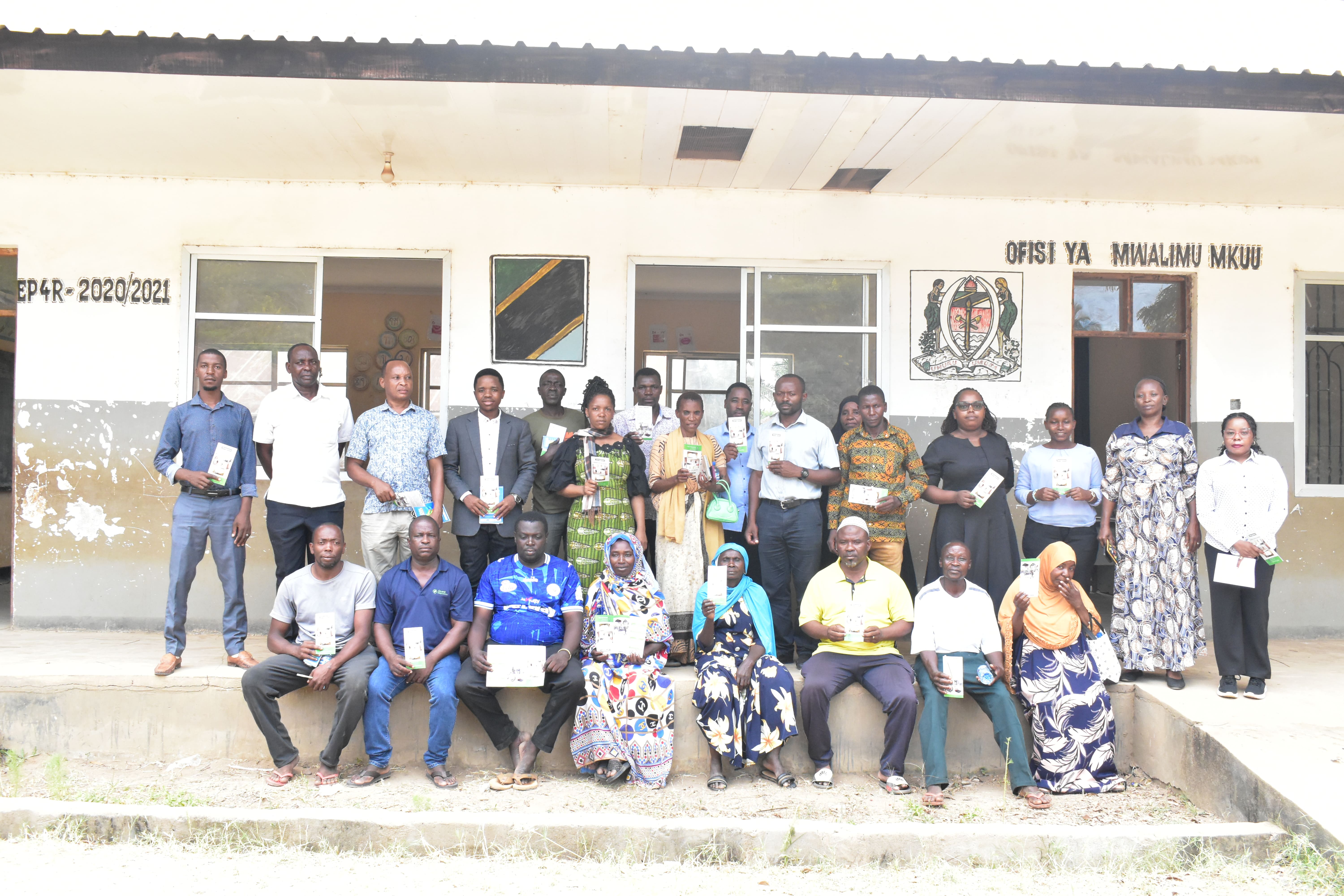
The Tanzania Gender and Sustainable Energy Network (TANGSEN) has intensified efforts to strengthen local climate resilience through awareness creation and capacity building in Kisarawe District Council, with a particular focus on Masaki Village.
Through the ENERGIA Phase 7 Project, TANGSEN facilitated a strategic training workshop aimed at creating awareness to district and village leaders on developing Climate Change Adaptation Plans (CCAPs). The workshop was held at Masaki Primary School and brought together six district officials from the respective key departments, including Community Development, Natural Resources and Environment, Trade, Industry and Investment, Legal Services, Agriculture and Livestock, as well as Planning and Finance.
The training focused on enhancing participants’ understanding of climate change impacts and strengthening their capacity to develop CCAPs. Discussions highlighted the growing challenges posed by climate change, including drought, food insecurity, floods, and other environmental hazards affecting rural livelihoods. By equipping both district officials and village representatives with technical knowledge, the initiative aims to ensure coordinated and sustainable responses to these challenges.
Speaking during the workshop, Project Coordinator Leonard Pesambili emphasized that the participation of district officials signifies a long-term institutional commitment. He noted that Masaki Village now serves as a model for other villages within the district that have yet to develop climate change strategies. The knowledge gained from the training is expected to be replicated across additional wards and villages, promoting district wide resilience planning.
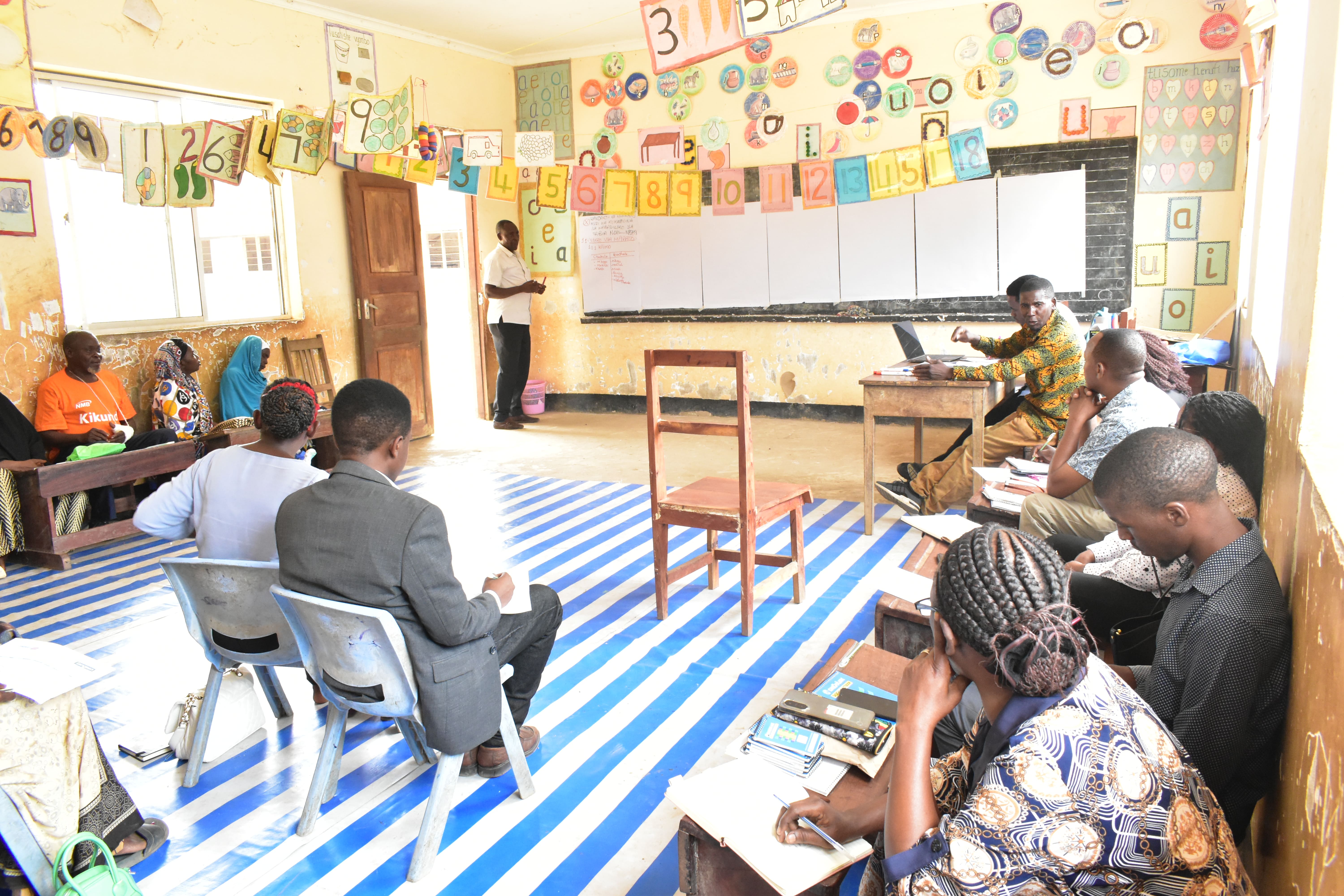
On behalf of the District Executive Director, Mr. Joseph Makyao expressed appreciation to TANGSEN for organizing the training and urged all participants to implement the lessons learned. The workshop was inclusive, engaging not only district officials but also village and sub-village leaders, chairpersons from all seven sub-villages of Masaki, teachers from local schools, respected community elders, and religious leaders reflecting a whole of community approach to climate action.
In collaboration with district councils across the Pwani Region, particularly Kisarawe and Kibaha, TANGSEN continues to support the development of localized CCAPs. In Kisarawe District alone, the organization has already facilitated the preparation of CCAPs in ten villages, working closely with local stakeholders and development partners to strengthen grassroots climate governance and adaptive capacity.
Through these coordinated efforts, TANGSEN is contributing to sustainable development by ensuring that climate resilience planning is inclusive, community driven, and institutionally supported at both village and district levels.
