TANGSEN and UNDP Dialogue session on Strengthening Gender-Responsive Outreach and Advocacy for Energy Efficiency in Tanzania
TANGSEN, in collaboration with UNDP Tanzania, successfully convened a high-level dialogue session in Dar es Salaam focused on Strengthening Gender-Responsive Outreach and Advocacy for Energy Efficiency.
The dialogue brought together a wide range of stakeholders, including representatives from the private sector, Civil Society Organizations (CSOs), Local Government Authorities, and officials from the Ministry of Energy Tanzania. The session provided an important platform for participants to exchange ideas, experiences, and recommendations on promoting inclusive and sustainable energy efficiency initiatives across Tanzania.
One of the key highlights of the event was a successful panel discussion on “Advancing Gender-Sensitive Approaches in the Implementation of the National Energy Efficiency Strategy (2024–2034).” The discussion generated valuable insights on how can we strengthen the gender-responsive approaches on the implementation of energy efficiency strategy in Tanzania and ensure equal participation and benefits for all members of society.
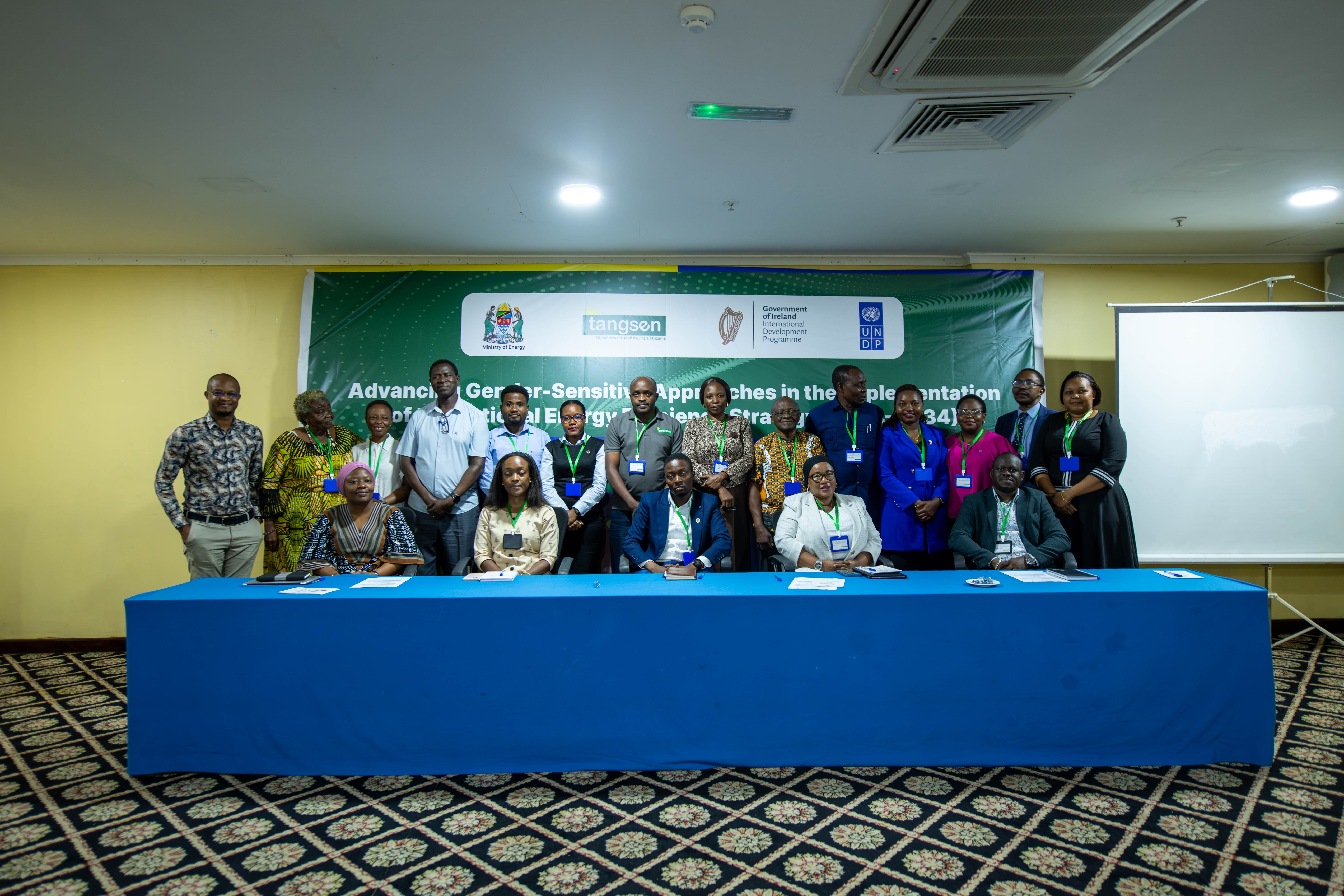
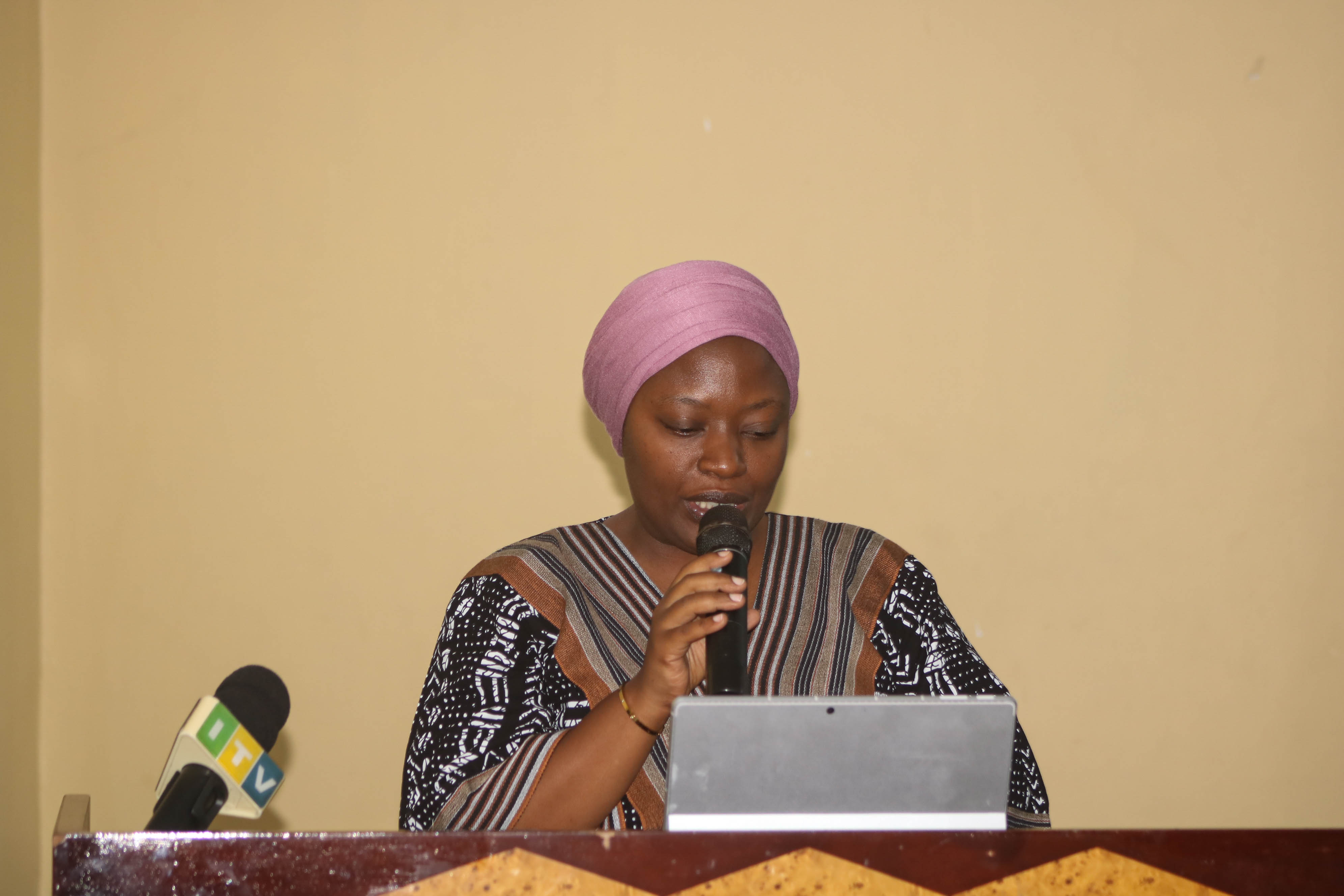
Speaking during the event, Eng. Joyce Msangi from the Ministry of Energy emphasized that the National Energy Efficiency Strategy was developed collaboratively with stakeholders and UNDP to promote efficient energy use in daily activities. She explained that efficient energy consumption will help save time, reduce energy costs, and improve the livelihoods and incomes of energy users across Tanzania.
She further stated “This dialogue gives us an opportunity to reflect on how the strategy can be implemented in a manner that is technically sound, inclusive, practical, and transformative. As we promote energy efficiency, we must also consider accessibility and affordability. Consumers must have the right information and strengthened skills through education, and we must continue supporting girls and young women to pursue science, technology, engineering, and energy-related professions.”
Adding to the discussion, an official from the Tanzania Bureau of Standards (TBS) Mr Spiradson Kagaba highlighted the importance of quality standards in promoting energy efficiency. The official noted that the standards established for improved cookstoves and other energy-efficient technologies are based on careful assessments and are designed to protect the interests of consumers, particularly women, while encouraging efficient and sustainable energy use.
The dialogue demonstrated a strong and collective commitment from stakeholders toward advancing gender inclusivity and meaningful participation in Tanzania’s energy sector. Through continued collaboration, advocacy, and awareness, the initiative contributes significantly to ensuring that energy efficiency policies and practices benefit all communities equally while supporting sustainable national development.
